










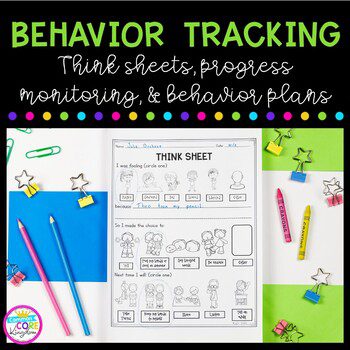
No matter how proactive you are about your classroom management strategies, you will undoubtedly have instances where students don’t follow rules and expectations. For these situations, it is important to have a plan in place that allows for natural consequences. Often times, the only natural consequence that is necessary is time for the student to reflect on their behavior or choices and a follow up discussion with the teacher. For
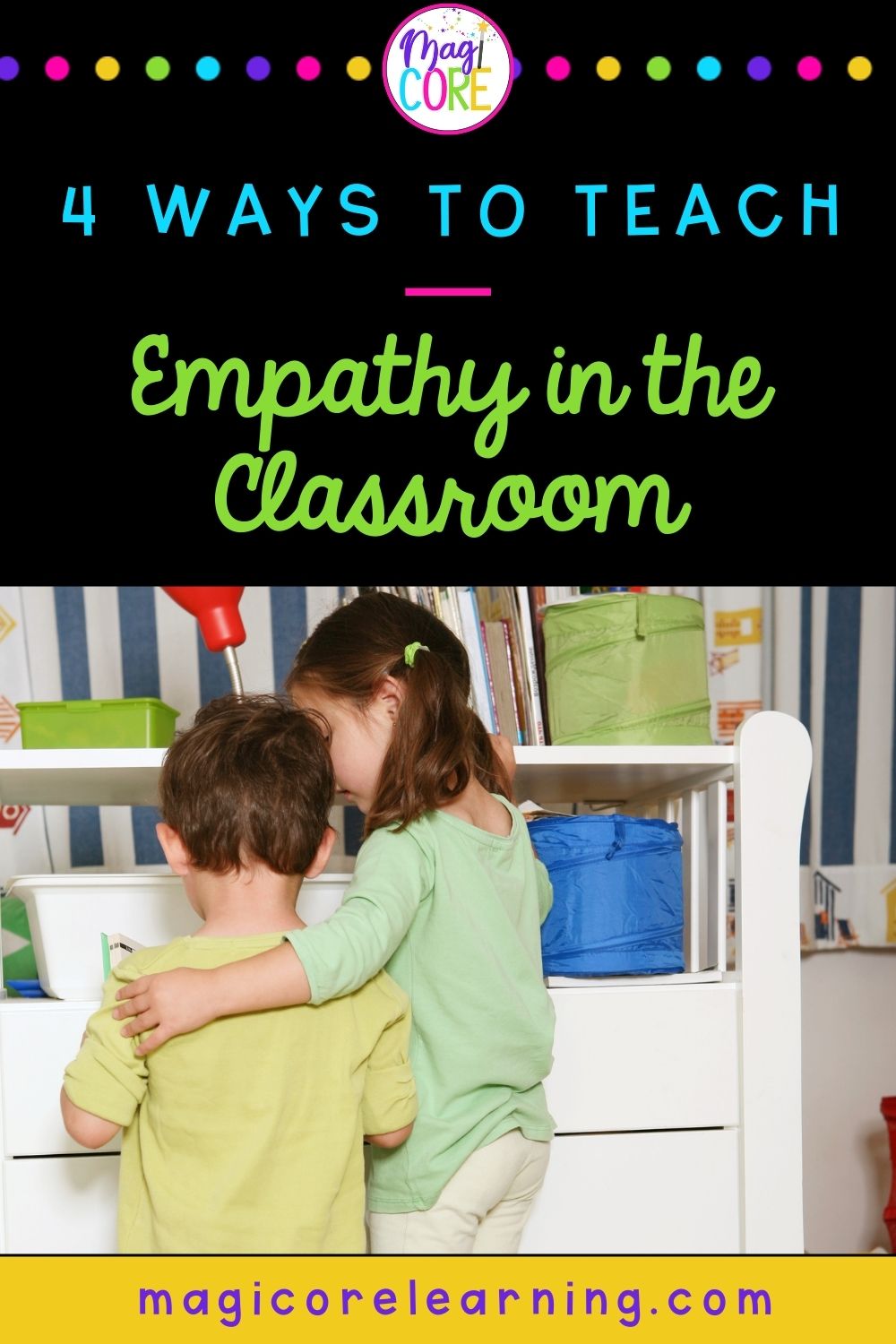
Empathy may seem innate to you. Maybe it never crossed your mind to explicitly teach empathy to your students. However, while empathy is innate to some, it does need to be explicitly taught and modeled to others. If we teach students to recognize others’ feelings and perspectives, it will not only make classroom management easier, but it will make your students more aware and empathetic people. Here are four ways
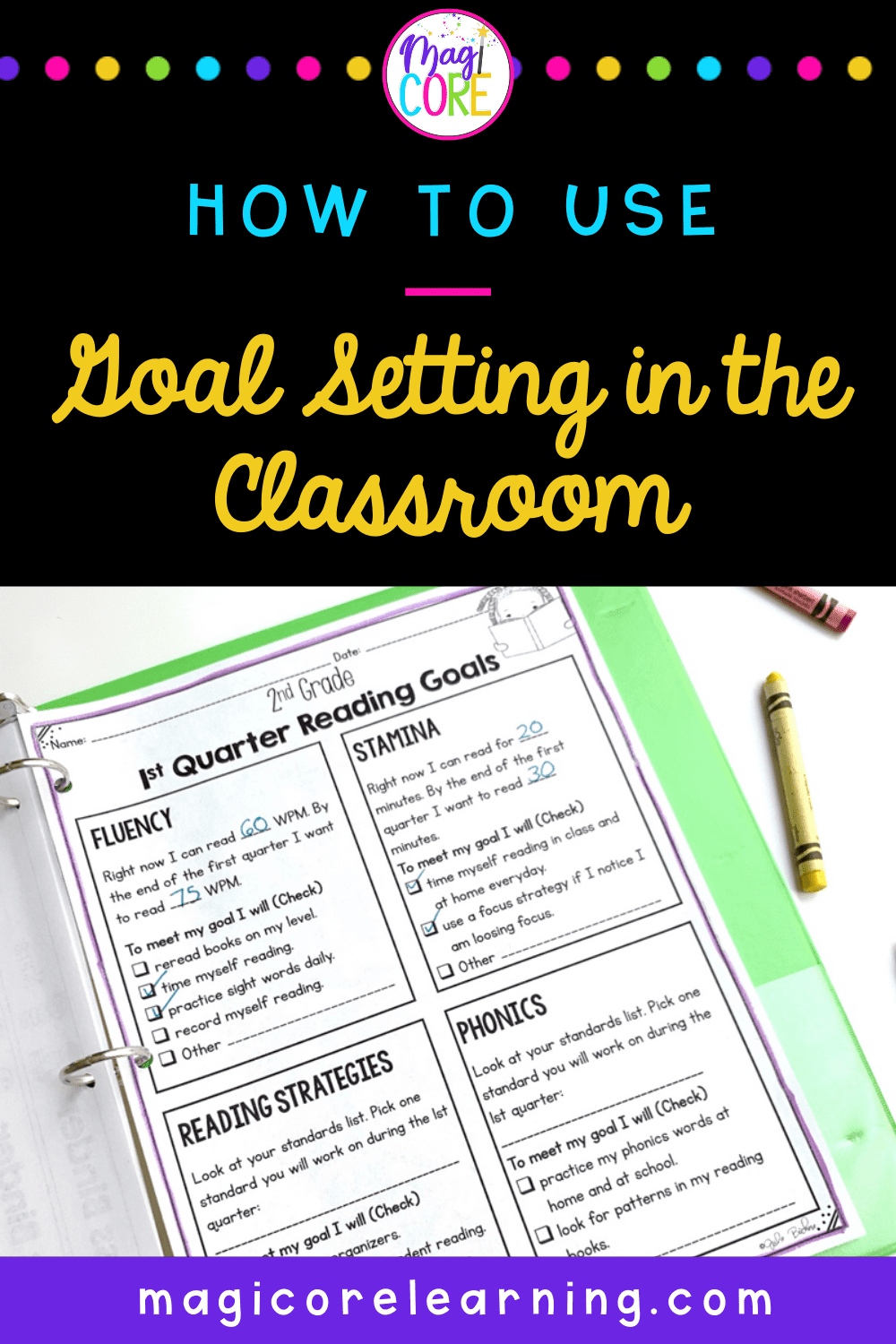
Teaching students to set goals is a key to student accountability and success. When students regularly set goals and evaluate progress, they work harder to achieve success and take ownership of their success and learning. As teachers, we want students to understand their role in learning. Here are tips to regularly incorporate goal setting into your classroom routines. Begin each quarter with time to set goals. At the beginning of

Practical strategies, fresh ideas, and classroom inspiration for elementary teachers.

Explore ways to notice student progress and plan your next steps.
Read Article